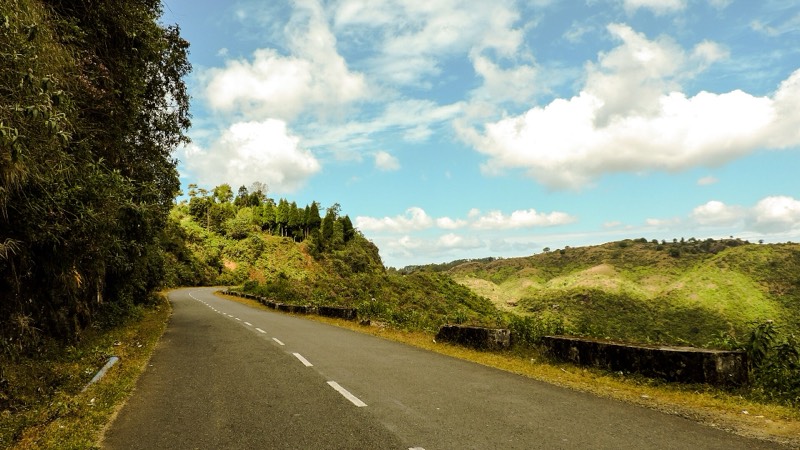
Guwahati Airport to Shillong Taxi: Route, Time & Tips
Guwahati Airport to Shillong taxi guide: the NH6 route via Jorabat, Nongpoh and Umiam, travel time, traffic, good stops and choosing a sedan or SUV.
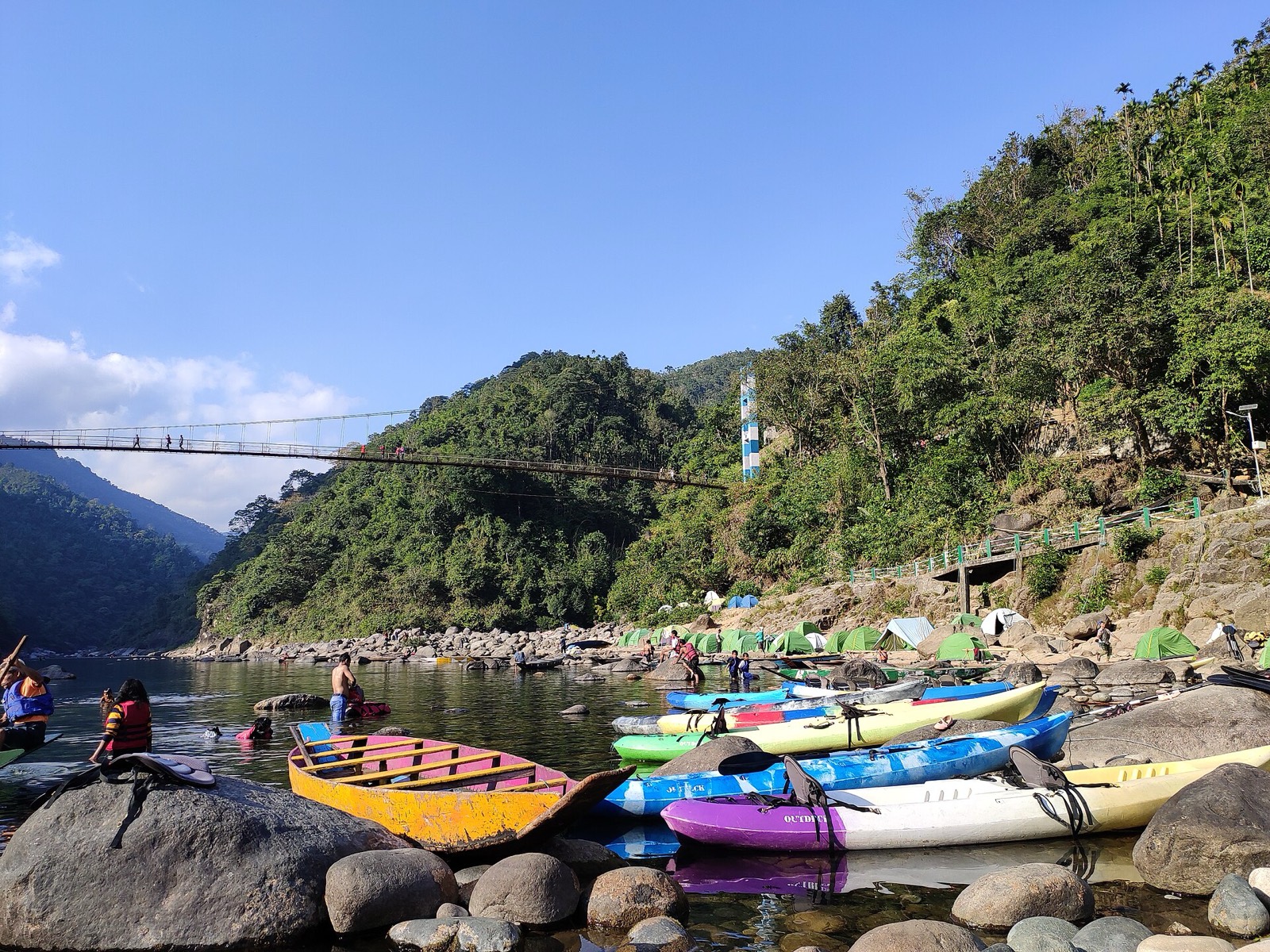
The Umngot River at Dawki is famous for water so clear that boats seem to float in mid-air. It is about 80 to 85 km from Shillong, usually a 2.5 to 3 hour drive, and is best visited between roughly November and April when the water is clearest. You can easily combine it with Mawlynnong village in a single day trip by cab.
Dawki is a small border town in the West Jaintia Hills, right on the India and Bangladesh border. The Umngot River flows out of the hills here and into Bangladesh. The road from Shillong runs south through Pynursla, with sweeping valley views, before dropping steeply to the river. The last stretch has many bends, so if you get car sick, take precautions before you start.
The clarity depends almost entirely on rain.
| Period (approx.) | What to expect |
|---|---|
| November to February | Usually the clearest water. The riverbed is visible and the classic floating-boat photos are possible. |
| March to April | Often still good, though early showers can reduce clarity. |
| May to September | The river runs high and muddy. Boating may be limited or stopped when the water is too strong. |
| October | The water begins to settle and clear as the rains end, improving through the month. |
Conditions vary year to year, and even a day of heavy rain upstream can cloud the water. Our post on the best time to visit Meghalaya explains the seasons in more detail.
Boating is the main thing to do at Dawki. Local boatmen take you out in small wooden boats, and a typical ride lasts around 30 minutes to an hour. Fees are set locally and change from time to time, so check the current rate at the counter or with the boatmen before you get in. Life jackets are usually provided; ask for one if they are not.
On busy days, especially weekends and holidays in winter, there can be a wait for boats. Arriving earlier helps.
Shnongpdeng is a village a short drive upstream from Dawki, on the same river. It is quieter and is the place to go if you want more than a boat ride. Depending on the season and local operators, activities may include:
Not every activity is available every day, and operators and rates change. Confirm locally before you go, and only use activities with proper safety gear and trained staff. An overnight stay at Shnongpdeng is a relaxed way to enjoy the river after the day-trippers leave.
Just downstream of the boating area is the Dawki and Tamabil border crossing. From the riverbank and the Dawki bridge you can see across to Bangladesh, and on busy days you may see crowds on the other side too. Respect any signs or instructions from security forces, and avoid taking photos where it is not allowed. Crossing the border needs a valid passport and visa and is a separate matter from sightseeing.
Mawlynnong, often described as one of the cleanest villages in Asia, is on the same side of the hills, so the two fit well together. A practical day trip from Shillong looks like this:
It is a long day, typically 10 to 11 hours with the drive. If you would rather go slowly, stay overnight at Shnongpdeng or near Mawlynnong. Our Meghalaya Explorer package includes Dawki and Mawlynnong as part of a longer trip.
Pranjal Taxi Service runs Dawki and Mawlynnong day trips from Shillong, as well as multi-day tours with a night by the river. Pricing depends on the itinerary, vehicle and season. WhatsApp us or use the enquiry form for a free quote.
Dawki is about 80 to 85 km from Shillong. The drive usually takes 2.5 to 3 hours each way, with a winding descent near the river.
The water is usually clearest from about November to February, and often still good into March and April. In the monsoon it turns muddy.
Boating may be limited or stopped when the river is high and fast. Check locally before travelling in the rainy season.
Yes. Both are on the same side of the hills, and a day trip from Shillong covering both usually takes 10 to 11 hours including the drive.
Shnongpdeng is a quieter village upstream of Dawki where riverside camping, kayaking and snorkelling are offered by local operators in season. Confirm what is available before you go.
Guwahati Airport to Shillong taxi guide: the NH6 route via Jorabat, Nongpoh and Umiam, travel time, traffic, good stops and choosing a sedan or SUV.
Shillong to Guwahati Airport drop timing: how early to leave for a domestic flight, Jorabat traffic, monsoon delays, early departures and a quick Umiam stop.
The best time to visit Meghalaya depends on what you want to see: clear Dawki water in winter, full waterfalls in the monsoon. Here is each season explained.