Assam is the gateway to the North East, and for most visitors it means three things: Guwahati and its temples, the one-horned rhinos of Kaziranga, and the tea country of Upper Assam. Distances are long but roads along the Brahmaputra valley are mostly flat and good, so a cab is the easiest way to link the main sights. This guide covers where to go, when to visit, how to get around and how to combine Assam with Meghalaya.
Assam at a glance
The state follows the Brahmaputra River for most of its length, from Dhubri in the west to Tinsukia and Dibrugarh in the east. Unlike hilly Meghalaya, much of Assam is plains, with rice fields, tea gardens and wetlands. Assamese is the main language, and Hindi and English are widely understood in towns and tourist areas.
Guwahati is the transport hub for the whole region, which is why nearly every North East trip passes through it. Many travellers spend only an airport night here, but the city is worth a day of its own.
Guwahati
Kamakhya Temple
Kamakhya, on Nilachal Hill, is one of the most important Shakti peeths in India and draws pilgrims year-round. Queues for darshan can be long, especially on weekends, festival days and during the Ambubachi Mela, usually held in June when the temple closes for a few days. Arrive early and dress modestly. If you are short on time, you can visit the temple complex without joining the main darshan queue.
Umananda Temple
This small Shiva temple sits on Peacock Island in the middle of the Brahmaputra and is reached by a short ferry ride from the ghats near Kachari. Ferry services can be limited when the river is high in the monsoon, so check locally before going.
Brahmaputra riverfront and cruises
The riverfront along MG Road and Uzan Bazar is pleasant around sunset. Several operators run evening river cruises, which are a relaxed way to see the city from the water. Other options in and around Guwahati include the Assam State Museum, Basistha Temple and the silk-weaving village of Sualkuchi, roughly an hour away.
Kaziranga National Park
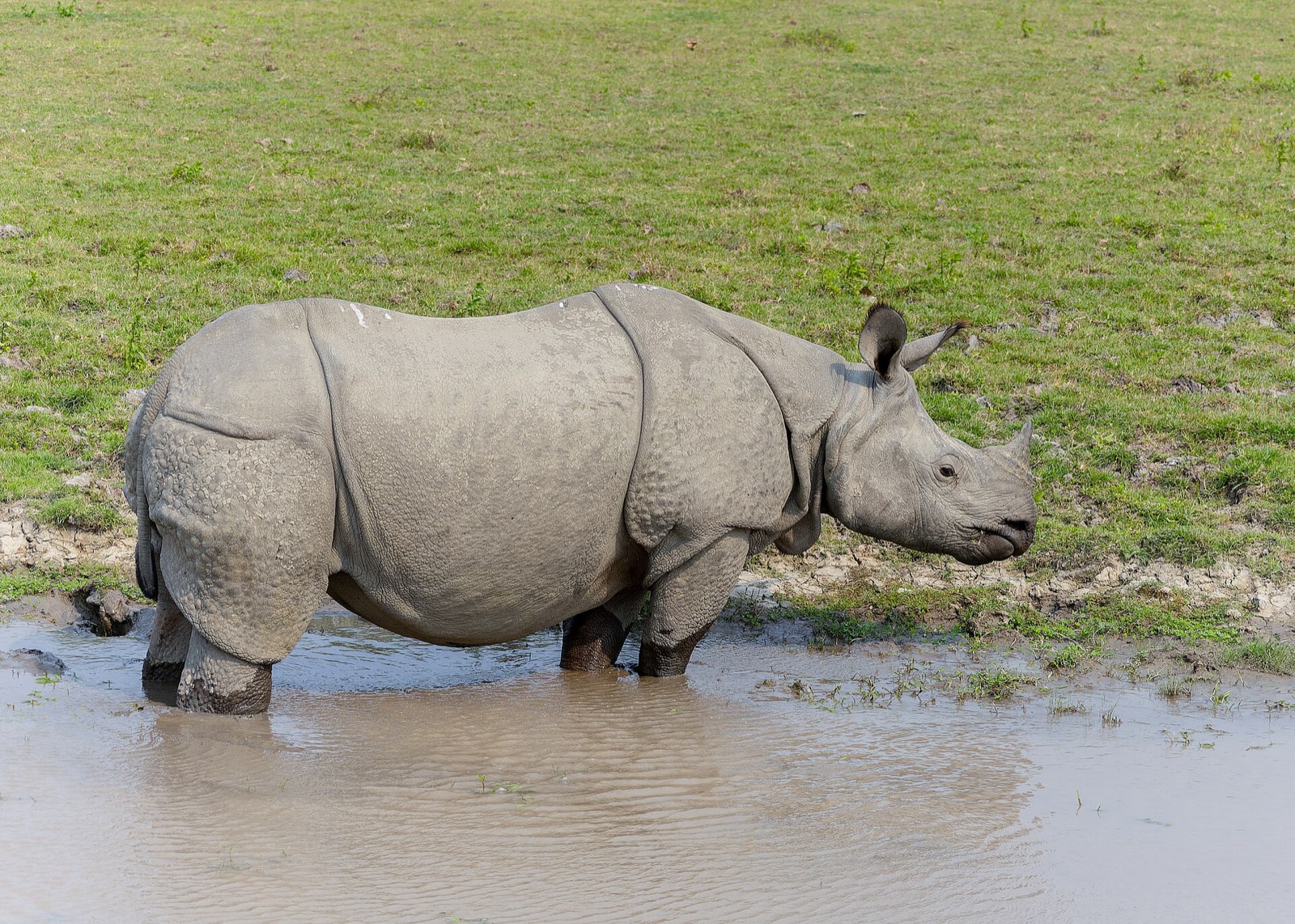
Kaziranga, a UNESCO World Heritage Site, is home to the largest population of the Indian one-horned rhinoceros, along with wild elephants, wild water buffalo, swamp deer and a strong tiger population, though tigers are rarely seen. It lies roughly 200 km east of Guwahati, usually about 4.5 to 5 hours by road along NH 715.
The park is divided into ranges, with the Central (Kohora), Western (Bagori) and Eastern (Agaratoli) ranges being the most visited, plus the smaller Burapahar range. Jeep safaris run in morning and afternoon slots, and elephant safaris have traditionally operated in some ranges, subject to current rules. Safari fees and permits are set by the forest department, so check the official booking portal or the counter at Kohora for current rates.
Kaziranga is generally open from November to April and closed during the monsoon, when much of the park floods. Exact opening dates are announced each year and some ranges may open earlier or later. For safari zones, timings and booking tips, read our Kaziranga safari guide, or see the Kaziranga Wildlife Trail package.
Majuli river island
Majuli, in the Brahmaputra near Jorhat, is one of the largest river islands in the world and the centre of Assam's neo-Vaishnavite culture. Its satras (monasteries) such as Auniati, Dakhinpat, Kamalabari and Samaguri are known for devotional music, dance and traditional mask making. The island also has Mising villages, rice fields and wetlands that attract birds in winter.
To get there, you usually drive to Nimati Ghat near Jorhat and cross by ferry, which can carry vehicles. Ferry timings depend on the river and season, and services can be reduced in the monsoon, so plan to cross in the morning and allow at least one night on the island. Majuli is easiest to combine with a tea estate stay in Jorhat.
Tea estates of Upper Assam
Assam produces a large share of India's tea, and the main tea belt runs through Jorhat, Sivasagar, Dibrugarh and Tinsukia in Upper Assam. Several old planters' bungalows now operate as heritage stays, and some estates arrange factory visits during the plucking season, roughly from March to November. Jorhat is a practical base, while Dibrugarh suits travellers continuing towards eastern Arunachal.
On the way, Sivasagar has Ahom-era monuments such as Rang Ghar, Talatal Ghar and the Shivadol temple, which make a good half-day stop. You will also see tea gardens on the drive to Kaziranga around Bokakhat if you do not have time to go further east.
Manas National Park
Manas, on the Bhutan border in western Assam, is a UNESCO World Heritage Site and a tiger and elephant reserve. It is quieter than Kaziranga, with forest, grassland and the Manas River, and it is known for rare species such as the golden langur and the pygmy hog. The main entry is through Bansbari near Barpeta Road, roughly 150 km from Guwahati, usually about 3.5 to 4 hours by road. Like Kaziranga, it generally closes in the monsoon, so check the current season dates before you plan.
Best time to visit Assam
- November to February: The best months overall. Dry, cool and comfortable, with Kaziranga and Manas open and good birding on Majuli. Mornings can be foggy, which sometimes delays early drives.
- March and April: Warmer, with good wildlife sightings as the grass is burnt back, and the start of the tea season. Rongali Bihu, the Assamese new year, is celebrated in mid-April.
- May to September: Hot, humid and wet. The national parks are closed for much of this period and floods can affect low-lying roads and the Majuli ferry.
- October: A shoulder month. The rains ease, but the parks may not have opened yet.
How to get around
Guwahati airport (GAU) and Guwahati railway station are the main entry points. Jorhat and Dibrugarh also have airports, which helps if you want to fly in to the east and drive back west.
A private cab is the most flexible way to travel because the main sights are spread along a long east-west corridor and public transport between them is limited. Rough road times are Guwahati to Kaziranga about 4.5 to 5 hours, Kaziranga to Jorhat about 2 hours, and Jorhat to Dibrugarh about 3 hours, depending on traffic and road works. Highway upgrades are ongoing in several stretches, so timings can change. Avoid driving through national park corridors late at night, as speed limits and wildlife crossings apply on parts of NH 715.
Pairing Assam with Meghalaya
Because both trips start and end at Guwahati, Assam and Meghalaya combine naturally. The most common plan is to do Kaziranga first, return via Guwahati to Shillong, and then cover Sohra and Dawki before flying out. Kaziranga to Shillong is a long day, roughly 6 to 7 hours, so many travellers break it with a stop in Guwahati or at Umiam Lake.
| Day | Route | Highlights |
|---|---|---|
| 1 | Guwahati arrival, Kamakhya | Temple visit, riverfront evening |
| 2 | Guwahati to Kaziranga | Afternoon safari or tea garden walk |
| 3 | Kaziranga to Shillong | Morning safari, drive up via Umiam Lake |
| 4 | Sohra day trip | Waterfalls and caves |
| 5 | Dawki and Mawlynnong | Umngot River, clean village, root bridge |
| 6 | Shillong to Guwahati | Airport or railway drop |
This is close to our Assam and Meghalaya Combo. For the Meghalaya side in more detail, see the Meghalaya travel guide. If you have more time, Assam is also the starting point for the drive to Tawang; see the Arunachal Pradesh guide.
Practical tips
- Carry some cash for park entry, ferries and small eateries; ATMs are fewer around Kaziranga and on Majuli.
- Wear muted colours on safari and carry a warm layer for winter mornings in an open jeep.
- Respect dress codes at Kamakhya and the Majuli satras, and ask before photographing rituals.
- Park rules, safari slots and ferry schedules change from season to season, so check before you travel.
How we can help
Pranjal Taxi Service runs cabs from Guwahati and Shillong for Kaziranga trips, Assam and Meghalaya combinations and airport transfers. Share your dates and the places you want to cover, and we will suggest a realistic route and a suitable vehicle. Pricing depends on the final itinerary, vehicle and season, so send us an enquiry or WhatsApp us for a free quote.
Frequently asked questions
How many days do I need for Assam?
Two to three days covers Guwahati and Kaziranga. Add two or three more for Majuli and the Upper Assam tea estates.
When is Kaziranga open?
Kaziranga is generally open from November to April and closed during the monsoon. Exact dates are announced each year, so check the official forest department notice before booking.
How do I get to Majuli?
Drive to Nimati Ghat near Jorhat and take the ferry across the Brahmaputra. Ferry timings depend on the river and season, so cross early and plan at least one night on the island.
Can I combine Assam and Meghalaya in one trip?
Yes. Both start from Guwahati, so a 5 to 6 day plan can cover Kaziranga, Shillong, Sohra and Dawki comfortably by cab.
Is Guwahati worth a day on its own?
Yes, if you have time. Kamakhya Temple, Umananda, the riverfront and an evening cruise make a good full day.