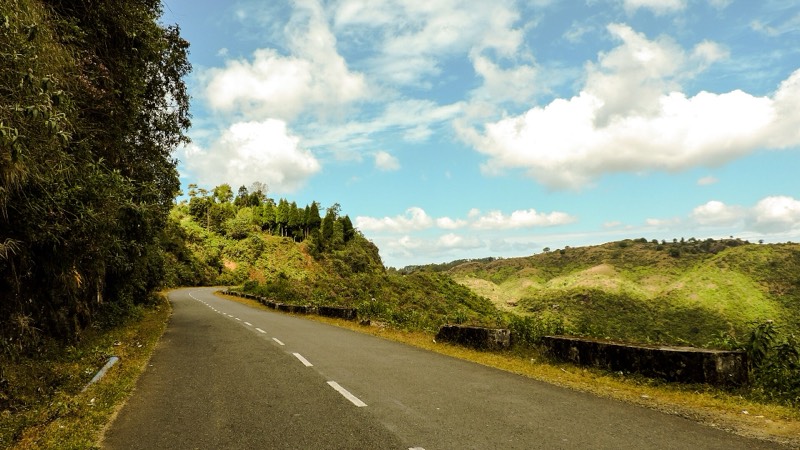
Guwahati Airport to Shillong Taxi: Route, Time & Tips
Guwahati Airport to Shillong taxi guide: the NH6 route via Jorabat, Nongpoh and Umiam, travel time, traffic, good stops and choosing a sedan or SUV.
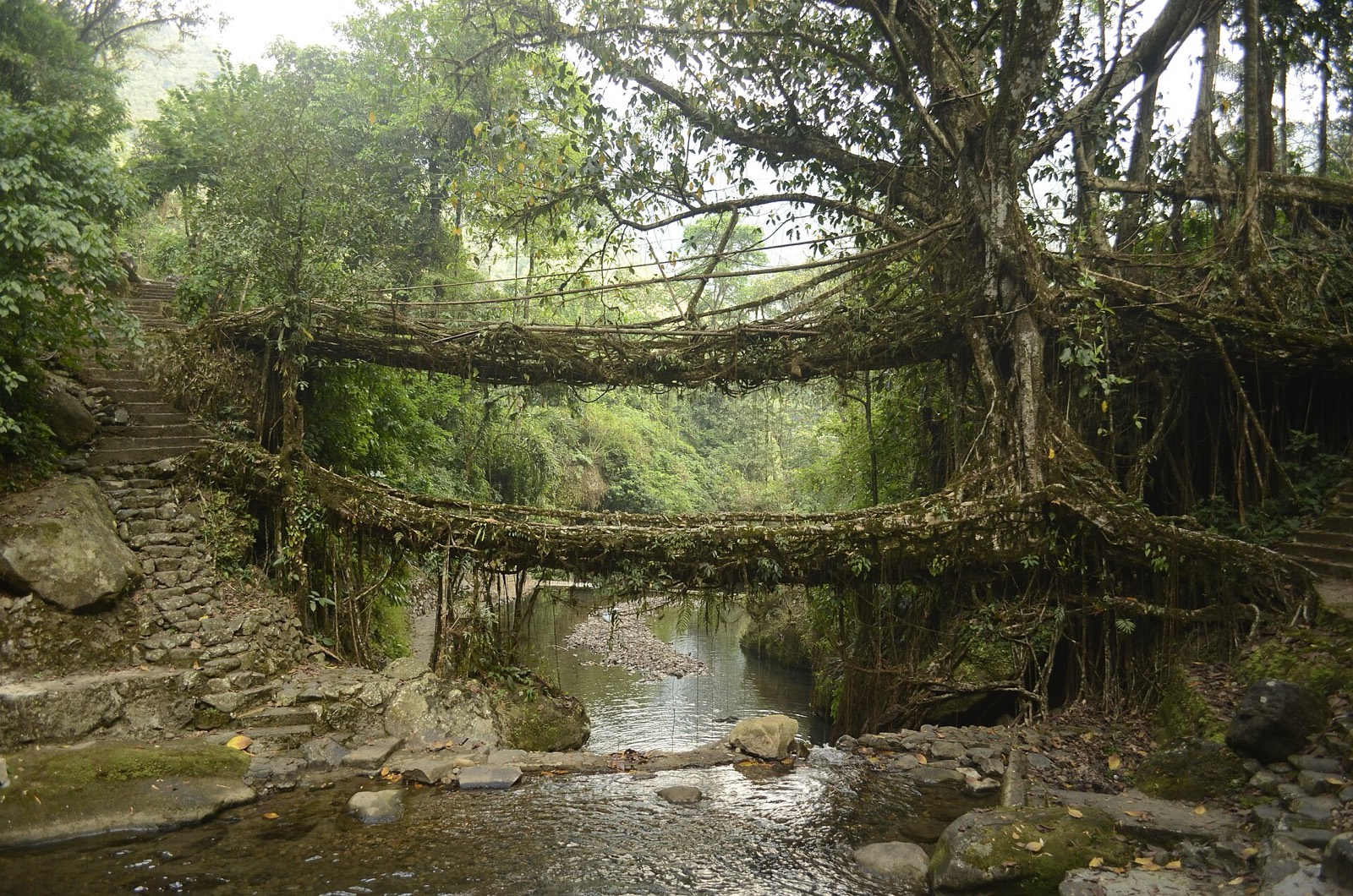
Meghalaya's living root bridges are footbridges grown, not built, from the roots of rubber fig trees by Khasi villagers. You have two main options: the steep trek down from Tyrna to the double-decker bridge at Nongriat, or the short, easy walk to the Riwai root bridge near Mawlynnong village. This guide explains both, so you can pick the one that suits your fitness and your schedule.
In the wet southern slopes of the Khasi Hills, villagers have long guided the aerial roots of the Indian rubber tree (Ficus elastica) across streams, often using bamboo or hollowed areca palm trunks as a frame. Over years the roots thicken, twist together and take root on the far bank. The result is a bridge that gets stronger with age, and some are believed to be well over a hundred years old.
These bridges are still used by local people every day, so treat them as working village paths. Walk gently, do not pull at or carve the roots, and follow any instructions from village caretakers.
The most famous root bridge is the double-decker at Nongriat, where two bridges are stacked one above the other across the same stream. There is no road to Nongriat. You reach it on foot from Tyrna village, roughly 2 hours by road from Shillong via the Cherrapunji (Sohra) road, a little longer in heavy traffic or rain.
Be honest with yourself here. The trail is a long concrete staircase down into the valley, commonly said to be around 3,000 to 3,500 steps one way. Going down is hard on the knees; coming back up is the real test, because you climb all of it at the end of the day, often in humid heat. Along the way you cross a couple of steel suspension bridges over the river, which can feel bouncy.
Village committees usually collect a nominal entry or camera fee; check at the counter for current rates. Small shops along the steps sell water, tea and snacks, though prices rise the deeper you go.
If the Nongriat steps are not for you, the Riwai single root bridge is the easy alternative. It sits close to Mawlynnong and needs only a short walk down a stepped path, usually 10 to 20 minutes each way. You still get to stand on a living root bridge and see how the roots knot together, without spending the whole day on stairs.
This makes Riwai the better choice for families with small children, older parents, or anyone on a tight itinerary. It fits neatly into a day that also includes Mawlynnong and Dawki.
Mawlynnong is a small Khasi village near the Bangladesh border, often called "Asia's cleanest village" after a travel magazine gave it that label in the early 2000s. The name stuck, and the village does take cleanliness seriously: you will see bamboo dustbins along the paths, swept lanes and well-kept gardens.
What to do there:
Respect the rules the village sets: do not litter, keep to the paths and ask before photographing people or homes. A nominal entry and parking fee is usually charged.
Mawlynnong is roughly 2.5 to 3 hours by road from Shillong. Most travellers combine it with Riwai and the Umngot river at Dawki on one long day. Our Dawki and Umngot river guide covers that part of the trip.
| Nongriat double-decker | Riwai (near Mawlynnong) | |
|---|---|---|
| Walk | Steep, thousands of steps each way | Short, gentle steps |
| Time needed | Most of a day | About an hour including the visit |
| Best for | Fit travellers, trekkers | Families, older travellers, short trips |
| Combine with | Cherrapunji sightseeing | Mawlynnong and Dawki |
The bridges can be visited through the year. The drier months, roughly October to April, give you safer steps and clearer pools, while the monsoon brings dramatic waterfalls but slippery trails and occasional landslides on the roads. See our best time to visit Meghalaya post for a month-by-month view. Trail conditions and village rules can change, so check locally before you set out.
Pranjal Taxi Service runs cabs from Shillong to Tyrna, Cherrapunji, Mawlynnong and Dawki, and our drivers know the timings that work for each trek. You can add the root bridges to the Meghalaya Explorer package or plan your own day trip. Send us your dates on WhatsApp for a free quote.
The trail from Tyrna to Nongriat is commonly said to have around 3,000 to 3,500 steps one way. You have to climb all of them on the way back, so plan for a full and tiring day.
Yes. The Riwai single root bridge near Mawlynnong needs only a short walk of about 10 to 20 minutes each way, so it suits families and older travellers.
It is not practical. They are in different directions from Shillong and the Nongriat trek alone takes most of a day, so plan them on separate days.
A travel magazine gave it that title in the early 2000s, and the village is known for its community-led cleanliness, bamboo dustbins and tidy lanes.
Village committees usually charge a nominal entry or camera fee. Rates change, so check at the counter when you arrive.
Guwahati Airport to Shillong taxi guide: the NH6 route via Jorabat, Nongpoh and Umiam, travel time, traffic, good stops and choosing a sedan or SUV.
Shillong to Guwahati Airport drop timing: how early to leave for a domestic flight, Jorabat traffic, monsoon delays, early departures and a quick Umiam stop.
The best time to visit Meghalaya depends on what you want to see: clear Dawki water in winter, full waterfalls in the monsoon. Here is each season explained.